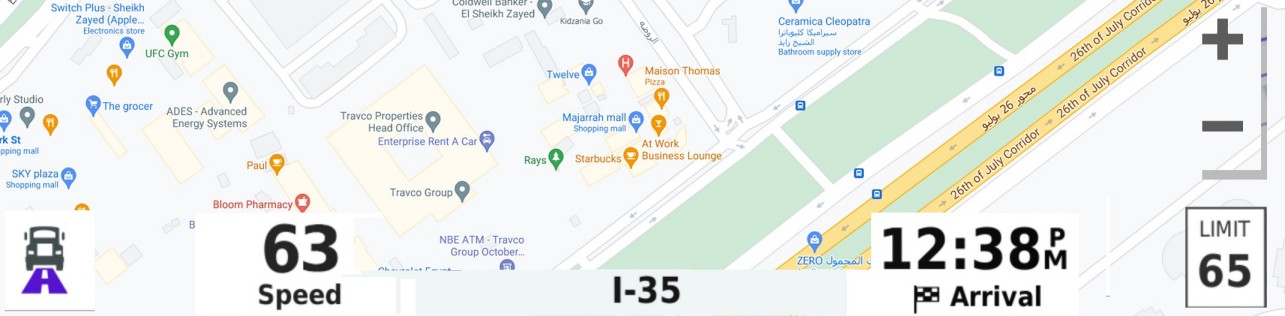
Much of the new technology in the trucking industry focuses on route optimization. With dynamic routing technology, innovative hardware and software work together to collect real-time data and determine the best possible path for any delivery. These systems help drivers avoid unnecessary roads and conserve fuel. Automatic optimization means that routes are flexible and take weather, traffic or other real-world obstacles into account. Dynamic routing leads to day-to-day improvements as well as long-term advantages when it comes to transporting your haul.
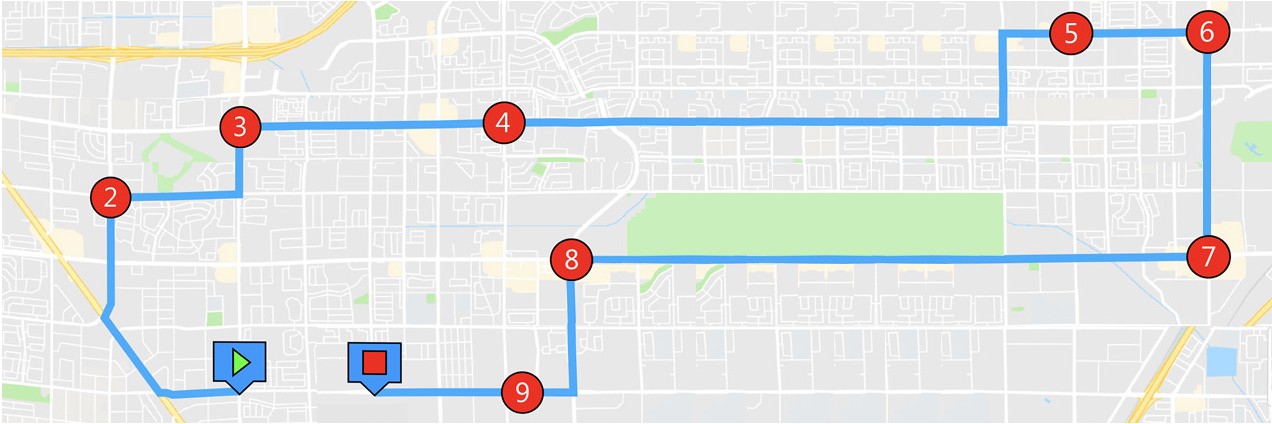
Route optimization is basically the procedure of deciding the most efficient route for a vehicle to opt for according to a bunch of stops and all the outside factors that directly affect the journey. The process is quite complex compared to simile finding the shortest path between two points. In fact, it requires to include all relevant aspects, like the number and location of all the necessary stops as the route along with time windows for deliveries.
Moreover, it’s a computer-aided procedure that can realistically reduce fleet operating costs up to 10 to 30% and considerably increase customer satisfaction by accurately meeting ETA requirements. On the contrary, the software employs the power of advanced digital technology, weather conditions, historical traffic data, and scenario modeling, which leads to a much better-planned route. Furthermore, it allows you, your drivers, and other team members to recognize the quickest and most economical route to an end destination even with several stop-points in between, finishing work orders within the deadline.